By admin
March 25, 2026
By admin
March 25, 2026

As the 2025 tax season approaches, businesses across Kenya must ensure their financial records are accurate, compliant, and up to date. Proper preparation not only helps you avoid penalties but also ensures smooth filing and maximizes allowable deductions.
Working with a professional auditor in Kenya can make this process seamless and stress-free, especially with new regulations such as the mandatory eTIMS invoicing system now in effect.
1. Organizing Receipts and Invoices (eTIMS Requirement)
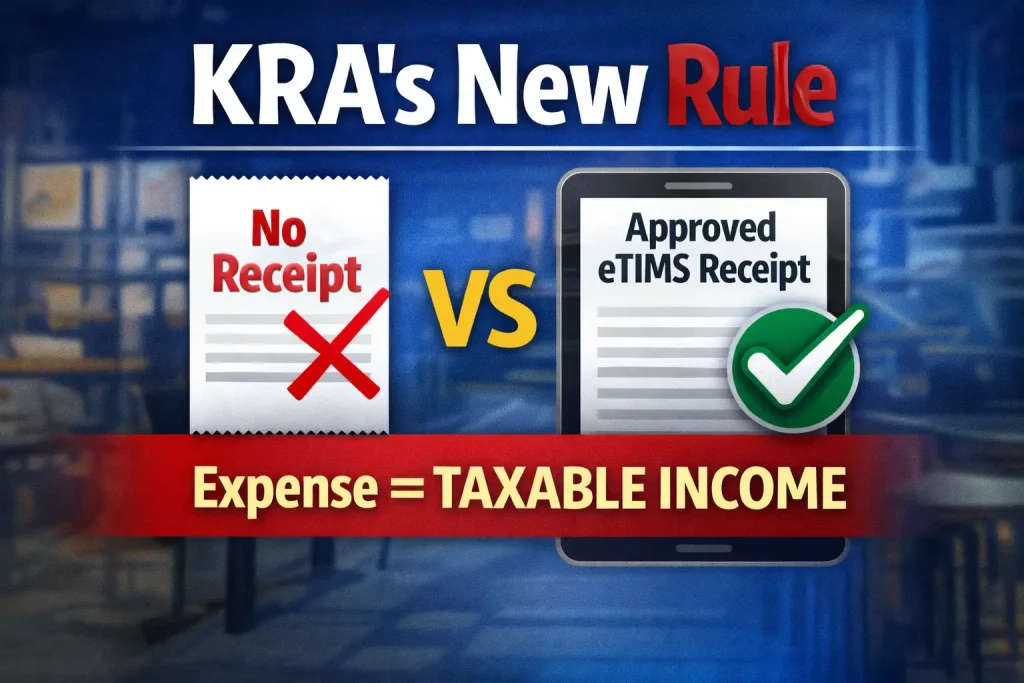
One of the most important steps in tax preparation is organizing your financial documents. In 2025, the Kenya Revenue Authority (KRA) requires that expenses are only allowable if supported by valid eTIMS invoices.
What You Need to Do:
- Ensure all your suppliers issue eTIMS-compliant invoices
- Keep both digital and physical copies of receipts
- Categorize expenses (rent, utilities, supplies, etc.)
- Regularly update your records to avoid last-minute rush
⚠️ Important: Any expense without an eTIMS invoice may be disallowed during tax computation, leading to higher tax liability.
2. Reconciling Your Accounts
Account reconciliation ensures that your financial records match your bank statements and actual transactions.
Key Areas to Reconcile:
- Bank accounts
- Mobile money transactions (M-Pesa, Airtel Money)
- Supplier and customer balances
- Payroll records
Regular reconciliation helps detect:
- Errors in recording transactions
- Fraud or unauthorized payments
- Missing entries
A qualified auditor in Kenya can assist in reviewing and verifying your accounts to ensure accuracy.
3. Understanding Tax Deductions
Knowing what expenses are deductible can significantly reduce your tax burden.
Common Allowable Deductions:
- Business rent and utilities
- Employee salaries and wages
- Office supplies and equipment
- Professional fees (including audit services)
- Travel and operational expenses
Important Tip:
All deductions must be:
- Business-related
- Properly documented
- Supported by eTIMS invoices
Failure to comply may result in penalties or rejected claims during tax assessment.
4. Filing Deadlines in Kenya
Meeting tax deadlines is critical to avoid penalties and interest charges.
Key Deadlines to Remember:
- Individual Tax Returns: 30th June 2025
- Corporate Tax Returns: Within 6 months after the financial year-end
- Monthly Taxes (VAT, PAYE): Due by the 20th of the following month
Late filing can result in:
- Financial penalties
- Accrued interest
- Compliance issues with KRA
Engaging an experienced auditor in Kenya ensures all deadlines are met accurately and on time.
5. Benefits of Professional Tax Advisory
Tax laws and compliance requirements are constantly evolving. Partnering with experts like Juma Auditors gives your business a competitive advantage.
Why Work with Juma Auditors?
- Expert knowledge of Kenyan tax regulations
- Assistance with eTIMS compliance
- Accurate financial reporting and audit services
- Identification of tax-saving opportunities
- Reduced risk of penalties and audits
With professional support, you can focus on growing your business while leaving the complexities of tax compliance to experts.
Conclusion
Preparing for the 2025 tax filing in Kenya requires careful planning, accurate documentation, and compliance with new regulations like eTIMS. By organizing your records, reconciling accounts, understanding deductions, and meeting deadlines, you position your business for success.
Partnering with a trusted auditor in Kenya like Juma Auditors ensures your tax process is efficient, compliant, and stress-free.
📞 Contact Juma Auditors today
Let us help you prepare for the 2025 tax season with confidence and professionalism.
- Phone: +254 725 948 551
- Email: info@jumaauditors.co.ke
- Website: www.jumaauditors.co.ke